
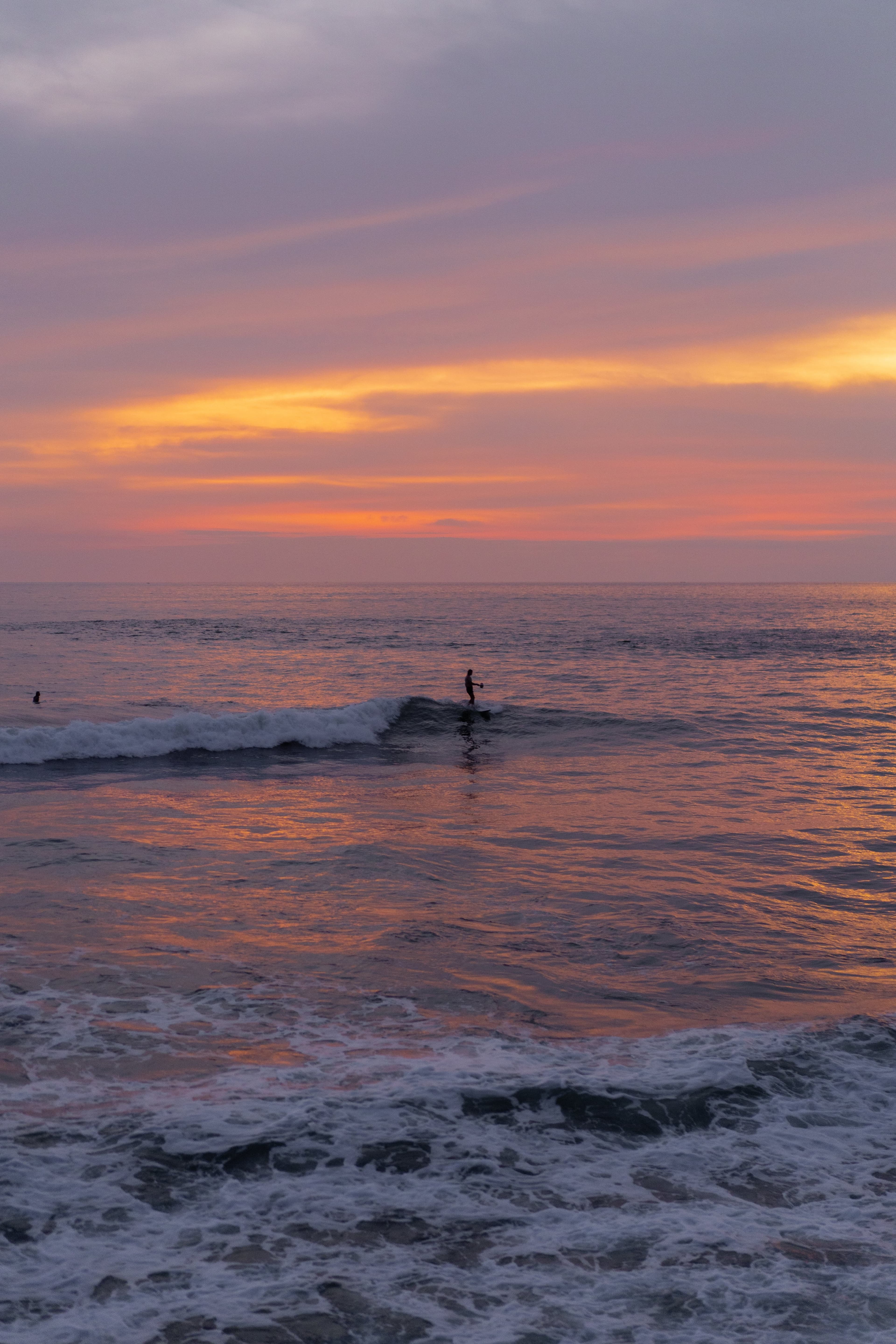
Sri Lanka is a year-round destination, but the best coast, wildlife area, or hill-country route changes with the monsoon. The useful question is not simply “What is the best month to visit Sri Lanka?” It is “Which part of Sri Lanka is best during my travel dates?”
The short answer: December to March usually suits the west and south coasts, while May to September generally favours the east and north. March and April can work well for mixed island itineraries, and October to November reward flexible travellers who do not mind tropical showers.
Why Sri Lanka has more than one travel season
Sri Lanka sits close to the equator, yet its mountains and two monsoon systems create very different conditions across a relatively small island. The official Sri Lanka Tourism climate guide divides the year into four broad periods: the first inter-monsoon in March and April, the southwest monsoon from May to September, the second inter-monsoon in October and November, and the northeast monsoon from December to February.
This is good news for travellers. Rain on one side of the island often means better beach conditions on the other. It also means a national weather icon can be misleading: a wet forecast for Colombo does not describe what is happening in Trincomalee, Sigiriya, or Jaffna.
December to February: south and west coast season
This is the classic winter escape. The southwest coastline—from Negombo and Bentota to Galle, Mirissa, and Tangalle—typically receives calmer, sunnier weather. It is also a comfortable period for combining the coast with the Cultural Triangle and the central highlands.
Demand is highest around Christmas, New Year, and the European winter holidays. Reserve well ahead if a specific beach hotel, boutique stay, or vehicle type matters to you. The east and parts of the north can receive more rain during the northeast monsoon, so a coast-heavy itinerary is usually better focused on the south and west.
March and April: warm weather and flexible routes
March is one of the easiest months for a broad first visit. Conditions are often favourable on the south coast, while the Cultural Triangle and hill country remain practical additions. April becomes hotter and more humid at lower elevations, with afternoon thunderstorms becoming more common as the first inter-monsoon develops.
Plan major outdoor visits early in the day. A dawn or early-morning climb at Sigiriya is cooler than a midday ascent, and an early safari can be more comfortable for both people and animals. Sri Lankan New Year falls in April, so transport and local travel patterns can be busier around the holiday period.
May to September: east coast and northern journeys
The southwest monsoon brings more rain to the southwest coast and the windward slopes of the central highlands. At the same time, the east and much of the north enter their strongest travel season. Trincomalee, Nilaveli, Pasikuda, Arugam Bay, and Jaffna become natural anchors for a warm-weather route.
The Cultural Triangle can also fit well into an east-focused itinerary because Sigiriya, Dambulla, Polonnaruwa, and Anuradhapura sit within or close to the island’s drier interior. Hill-country weather remains changeable: expect mist, showers, and cooler evenings, particularly around Nuwara Eliya and exposed viewpoints.
October and November: lush landscapes and fewer certainties
The second inter-monsoon can bring short, intense rain and thunderstorms to many parts of the island. It is not an automatic reason to avoid Sri Lanka, but it is a period when rigid beach plans carry more weather risk.
Travellers who value quieter sites, green scenery, and a slower pace may still enjoy these months. Keep one or two activities flexible, avoid planning every long drive back-to-back, and choose accommodation you would be happy to spend time in during a heavy shower.
Choosing the right season for your interests
Beaches and swimming
- South and west: generally best from December through March or April.
- East coast: generally best from May through September.
- Always check locally: sea conditions can change quickly, and a beautiful beach is not automatically safe for swimming.
Culture and ancient cities
Sigiriya, Dambulla, Polonnaruwa, Anuradhapura, Kandy, and Galle can be visited throughout the year. Heat is often more important than rain, so start exposed archaeological sites early and carry drinking water. UNESCO currently lists eight World Heritage properties in Sri Lanka: six cultural and two natural.
Wildlife and safaris
Wildlife experiences are available year-round, but the best park depends on habitat, rainfall, animal movement, and occasional management closures. Yala is widely associated with leopards, while Udawalawe is a strong choice for elephant-focused trips. Wilpattu offers a larger, more spacious landscape and suits travellers who prefer longer, quieter game drives.
No responsible operator can guarantee a sighting. Choose an approved safari vehicle, follow ranger and driver instructions, keep noise low, and never pressure a driver to block or chase an animal. The Department of Wildlife Conservation administers national parks and issues entry permits under park conditions.
Hill country, tea country, and walking
Kandy, Nuwara Eliya, Haputale, and Ella are cooler than the lowlands. Bring a light layer and rain protection in any month. Train journeys are memorable, but road and rail plans should include time for delays. If a particular train is essential, confirm the current timetable and reservation arrangements close to travel.
A simple month-by-month planning guide
- January: south and west beaches, Cultural Triangle, and hill-country circuits.
- February: similar to January, with strong demand on popular routes.
- March: a versatile month for culture, hills, wildlife, and the south coast.
- April: hot in the lowlands; plan outdoor visits early and expect some thunderstorms.
- May: transition toward east-coast itineraries as the southwest monsoon develops.
- June: east coast, Cultural Triangle, and northern routes become attractive.
- July: a strong month for combining the east coast with ancient cities.
- August: popular for east-coast beaches and family travel; book key stays ahead.
- September: often a useful shoulder month on east-focused routes.
- October: variable island-wide; keep outdoor plans flexible.
- November: transitional, green, and quieter, with a higher chance of heavy showers.
- December: the south and west return to peak season as the northeast monsoon affects the opposite side.
How to make a weather-resilient itinerary
- Choose the coast first. Match the beach region to the monsoon, then add culture, wildlife, and hill country.
- Avoid changing hotels every night. Two-night stays create space to move an activity when rain arrives.
- Keep one flexible day. It can absorb a delayed train, rough sea conditions, or a changed safari plan.
- Check official alerts. Weather and attraction conditions matter more than historical averages during the actual week of travel.
- Use local advice carefully. Ask guides and accommodation teams about current road, sea, and trail conditions.
Frequently asked questions
Is there a rainy season across the whole island?
No. Sri Lanka’s two monsoons affect different regions at different times. October and November are the most broadly unsettled months, but conditions still vary by location and day.
What is the best month for a first visit?
For the common Cultural Triangle–hill country–south coast route, February or March is an easy starting point. For an east-coast journey, July or August is usually more suitable.
Can I visit Sri Lanka during the monsoon?
Yes. Tropical rain often arrives in bursts rather than continuing all day, and the opposite coast may be in season. Build the route around the region with the better prevailing conditions.
Official planning sources
- Sri Lanka Tourism: climate and monsoon guide
- UNESCO: World Heritage properties in Sri Lanka
- Department of Wildlife Conservation: protected areas
Seasonal patterns are planning guides, not guarantees. Check current forecasts, safety notices, park information, and sea conditions before travel.